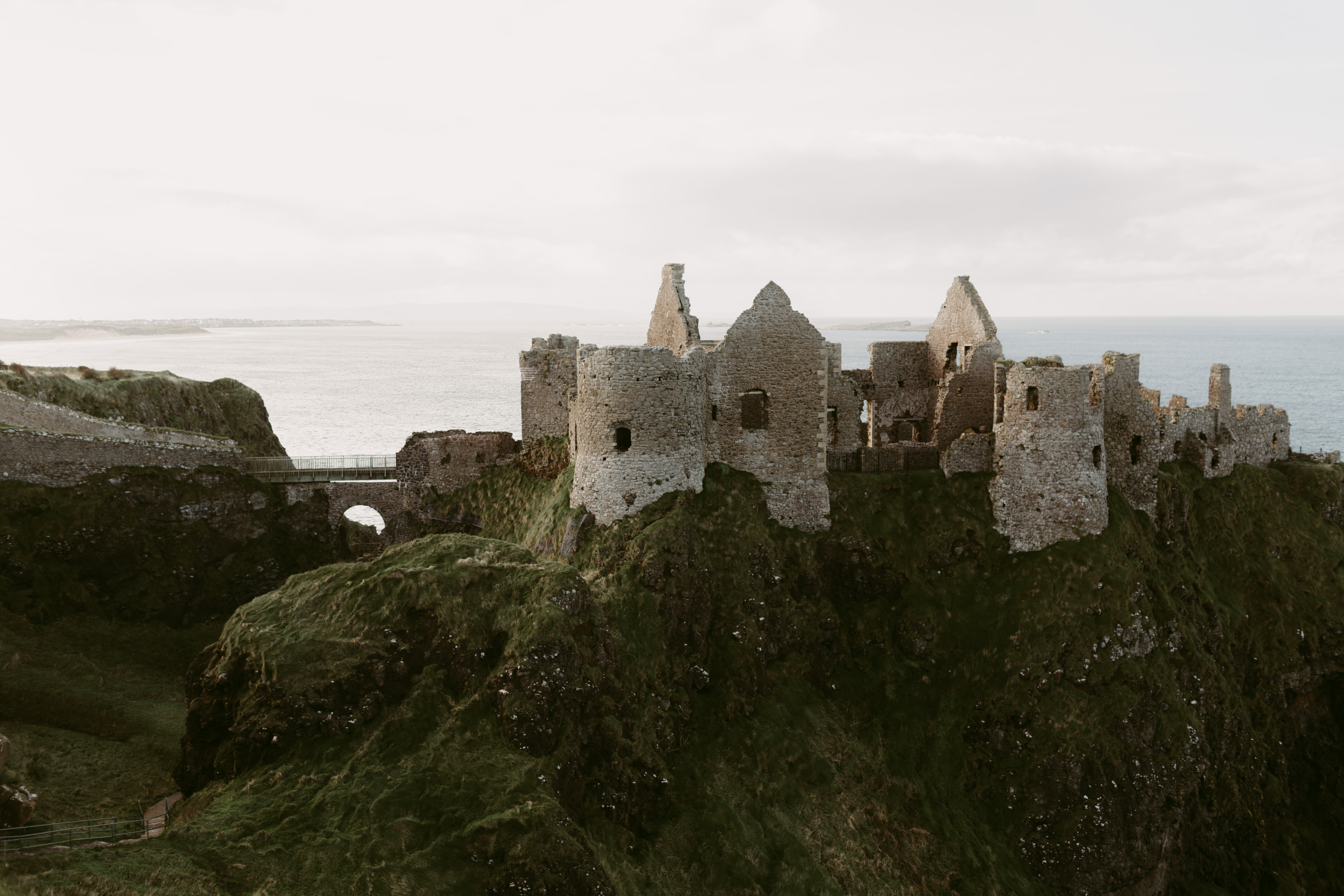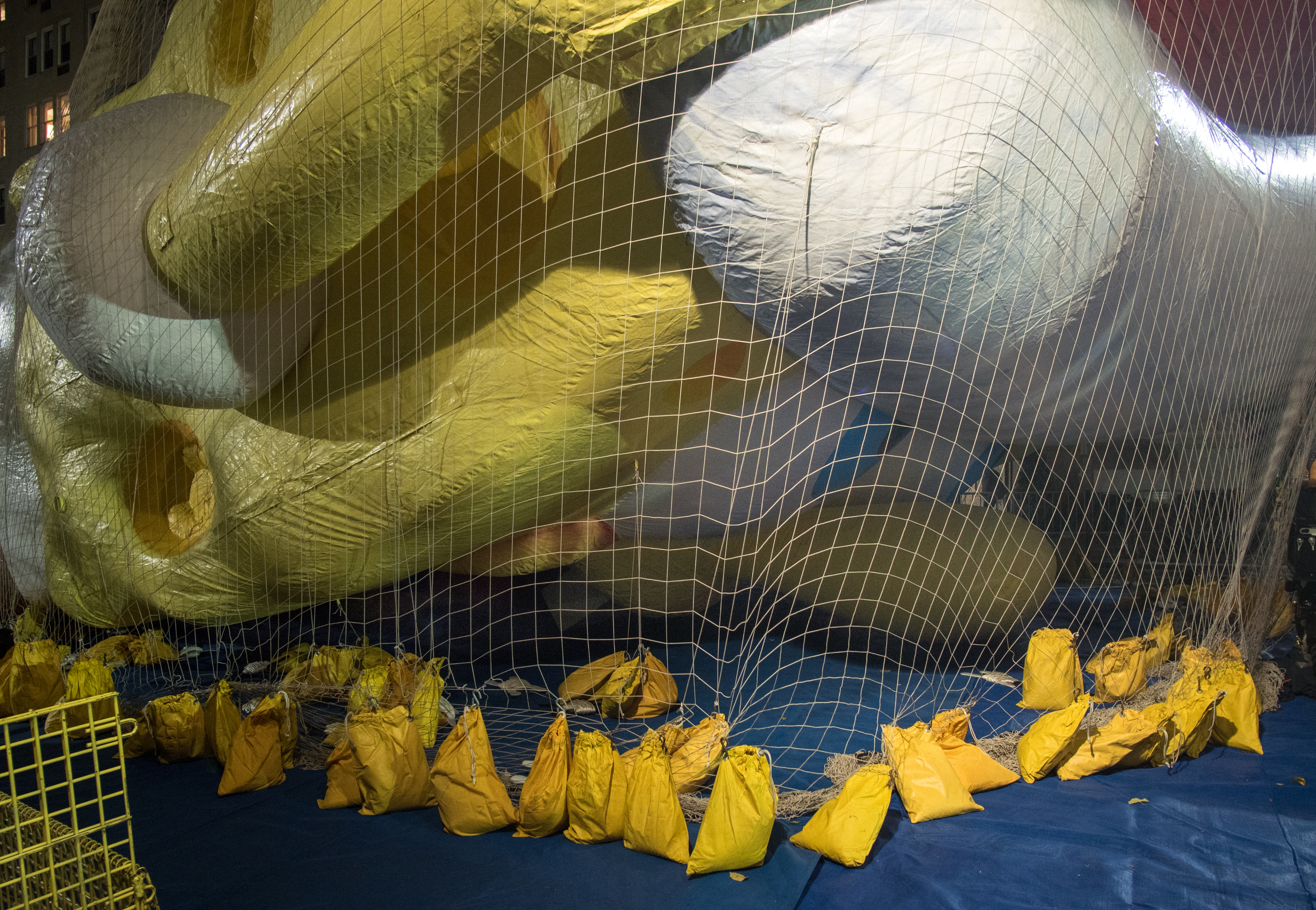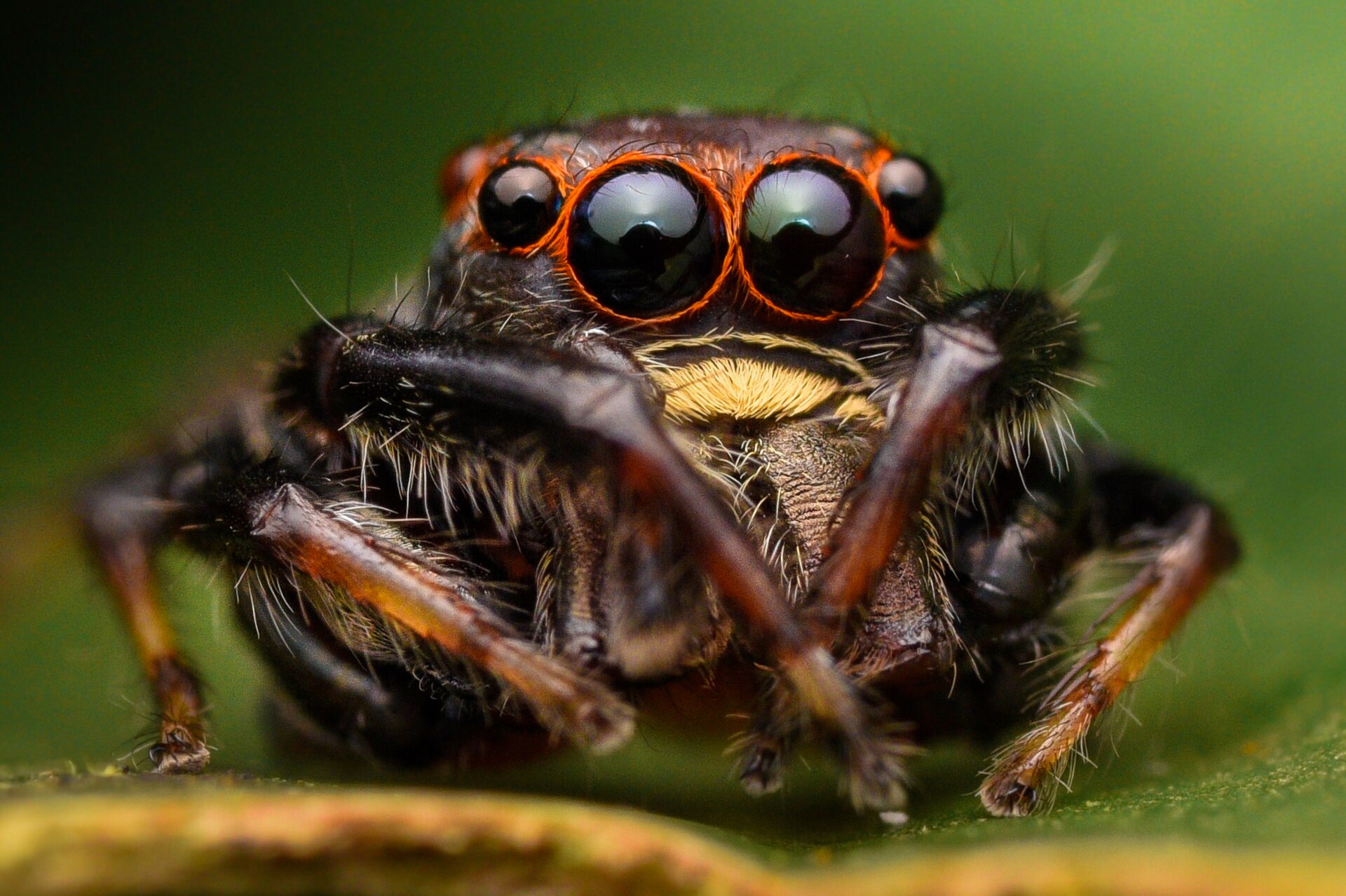
A spider staring straight down the lens with eyes like headlights. A moth that looks stitched from fabric. A leafhopper swallowed by fungus. Edmonton macro photographer Dara Ojo's close-up portraits of insects and spiders went viral online this weekend, with commenters comparing one to a Pixar character and the fungus-covered leafhopper to The Last of Us.
The pictures come from Ojo's new coffee table book, Tiny Titans: The Silent Keepers of Our Ecosystem, which his own About page says was set for release in fall 2026. His photography site says the book is available to preorder worldwide.
A pandemic hobby that turned into a mission
Ojo grew up in Lagos, Nigeria, and is now based in Edmonton, Alberta. The macro habit began while he was living in China during the pandemic, with time on his hands and bugs everywhere he looked. "That was where macro photography found me," he writes on his site.
The kit was famously basic at first. According to reports on the book, his first flash diffuser was built from a Pringles can and a paper towel, and he learned the hard way that harsh afternoon sun is no friend to a dragonfly shot.
The book draws on shoots across five countries: Nigeria, China, Costa Rica, Mexico and Canada. Locations range from tropical rainforest to desert scrub to the patchy green edges of cities. "I don't photograph insects simply because they are beautiful. I photograph them because they matter," he writes on his homepage.
How a bug ends up with a face this sharp
The trick behind pictures like these is mostly patience plus a technique called focus stacking. At macro distances the zone of sharp focus is razor thin, so a photographer shoots a series of frames at slightly different focus distances and blends the sharpest parts into one image, as Wikipedia's focus stacking entry explains. Stopping the lens down further only goes so far before diffraction softens the picture.
Reports on the book say Ojo shot outdoors on location, mostly before sunrise or late at night, when cool air slows insects down and dew settles on their wings. If you want to try it, that is the one tip worth stealing: go out early, when your subjects are too chilly to bolt.
A common mistake is to treat the cute look as the point. Ojo's stated aim is the opposite. His site spells out the jobs these animals do for us, from pollinating food crops to turning waste back into nutrients, making soil and eating pests.
Where his work has shown up
Galleries noticed before the internet did. Ojo's About page lists two shows at the Art Gallery of Alberta: a group exhibition that closed at the end of March 2025, and his own large-format macro work from February 16 to April 19, 2026, a 63-day stretch. Nature Alberta magazine put one of his images on its Spring 2025 cover. He is also one of the people featured in Bugs That Rule the World, a documentary that debuted on PBS on May 7, 2025, before reaching Canadian viewers on Love Nature that June 14.
For more on the eight-legged side of the story, Badiyaa has covered how far back the spider family tree goes, and the oddities in our Offbeat section.
Sources
- Dara Ojo: Macro Photography of Nature's Tiny Wonders, Dara Ojo (photographer's own site), 2026
- About Dara Ojo, Dara Ojo (photographer's own site), 2026
- Focus stacking, Wikipedia, 2026
Image: Emman Asuncion Foronda, CC BY-SA 4.0 via Wikimedia Commons
This article was produced with AI assistance and reviewed by our Editorial Desk. How we work.