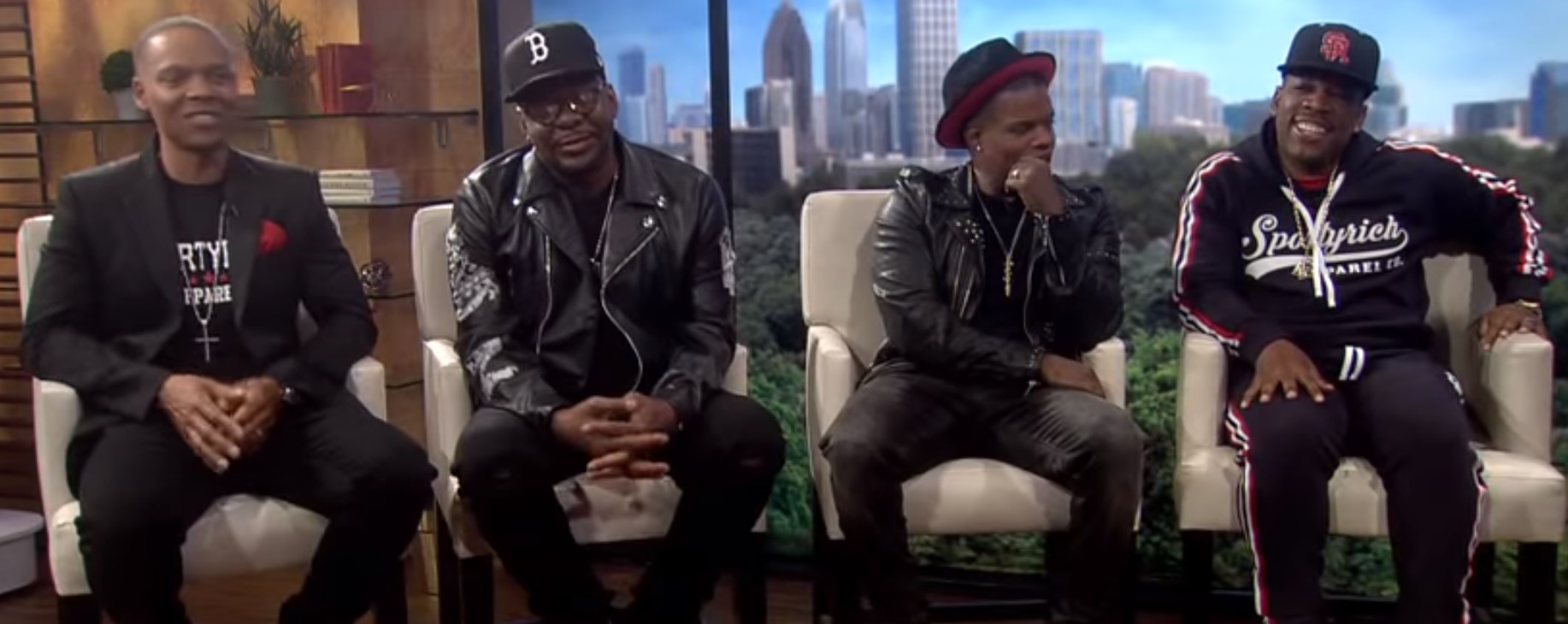
The song that became one of the slinkiest hits of the 1990s was nearly a song nobody in the band wanted. "None of the guys liked 'No Diggity.' None of them," Teddy Riley said in a 2010 interview. "They would even say it. That's why I'm singing the first verse."
Riley, the producer the history of new jack swing credits with inventing the sound, says his Blackstreet bandmates pushed him out front to test the waters, "and it became a hit." Those quotes are collected on the song's Wikipedia page, along with the chart run that proved him right: No. 1 in the US, Iceland and New Zealand, 1.6 million copies sold in 1996 alone, and the 1998 Grammy in the "Best R&B Performance by a Duo or Group with Vocals" category.
A grandmother's song under a bedroom-eyes groove
The track started in Riley's old studio in Virginia Beach, where he walked in on William "Skylz" Stewart playing with a sample of Bill Withers' "Grandma's Hands" and insisted Stewart hand it over. The contrast is delicious: Withers' 1971 original is a tender tribute to the grandmother who took him to church, produced by Booker T. Jones. Blackstreet turned its opening into the strutting backbone of a song about chasing someone across a crowded room.
It was not even meant for Blackstreet at first. Riley offered it to his earlier group, Guy, during a short 1996 reunion that produced no recordings, then suggested it to Guy's lead singer Aaron Hall, who passed. Only then did it go to Blackstreet, with Dr. Dre and rapper Queen Pen added as guests. Dr. Dre, Riley and Stewart share production credit.
How it climbed
- July 29, 1996: released by Interscope to rhythmic radio as the lead single from Another Level.
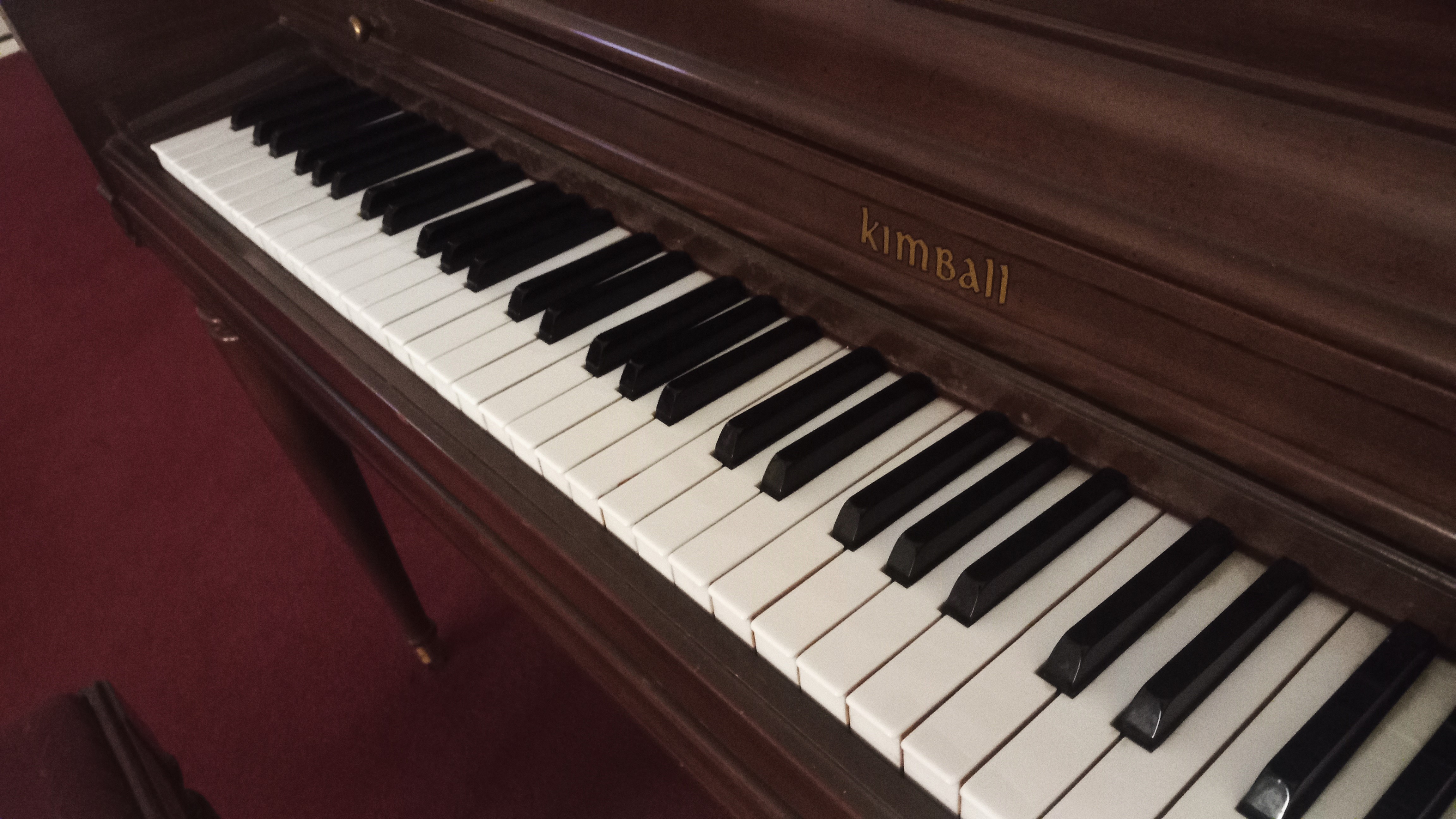
- Week ending August 11, 1996: the Hype Williams video, with marionettes playing that piano riff, arrives.
- September 10, 1996: Another Level is released.
- 1998: the song wins its Grammy.
It also became the final No. 1 on the Cash Box Top 100 pop singles chart, a small piece of trivia with a long tail. In the UK it reached No. 9 and has since been certified 4x Platinum, a sign of how streaming has kept it alive there.
The parent album was Blackstreet's biggest. Another Level's Wikipedia entry says it reached No. 3 on the main US albums chart, spent five weeks at No. 1 on the R&B albums chart and sold more than four million copies. Riley still told a 2013 radio interviewer that the album had no signature song, a claim the rest of the world would dispute.
Feud, covers and one very strange tribute
The beat even dragged Blackstreet into the decade's biggest rap rivalry. Death Row answered with "Toss It Up," a diss track aimed at Dr. Dre that originally rode a "No Diggity"-style instrumental, until Blackstreet's cease and desist order forced the label to swap out the music.
The covers have been gentler. Chet Faker's slowed-down version went viral in 2011, Pitch Perfect put an a cappella take into its riff-off, and the state of Washington produced "Dog Doogity," a version urging owners to pick up after their pets. It is hard to think of a higher compliment for a groove than being used to sell poop bags.
Riley's fingerprints are all over the decade: Badiyaa has covered his $10 million work on Michael Jackson's Dangerous and Keith Sweat's Riley-produced debut. In 2021 Blackstreet re-recorded their vocals for a house version with the Dutch duo Lucas & Steve, 25 years after the band members who doubted the song first heard it.
Sources
- No Diggity, Wikipedia, 2026
- Another Level (Blackstreet album), Wikipedia, 2026
- Grandma's Hands, Wikipedia, 2026
- New jack swing, Wikipedia, 2026
Image: Thomas Kirchel, CC BY-SA 4.0 via Wikimedia Commons
This article was produced with AI assistance and reviewed by our Editorial Desk. How we work.